Read Time: 6 min
Last Update: 7 July 2026
A commercial EV charger load assessment determines a building's available power by logging real-world energy usage over seven days. This process identifies the diversity factor required to install multiple chargers without exceeding switchboard thermal limits or requiring costly substation upgrades. Assessments ensure compliance with 2026 NCC mandates and Australian Building Codes Board standards.
Want to know more about installation pricing?
Fast, licensed installs with upfront, no-surprise pricing.
If you’re running a commercial building, you need to start viewing your building capacity as a finite resource, like floor space. You can't just keep 'bolting on' high-speed EV chargers and expect the main breaker to hold.
An EV load assessment isn't just paperwork; it’s the only way to know if your building can actually handle the new demand or if you're one morning commute away from a total blackout.
The Fundamentals: What is a Commercial Building Load Assessment?
Think of your building's power limits like a glass of water that's already 95% full. We call this 'maximum electrical demand' — basically the hard limit of what you can pull from the street before the main switchgear gives up.
We get the actual data via an energy assessment, hooking up a logger for a week to see exactly how much available power is left during peak charging times.
If you're hitting 380 Amps and your main fuse is only rated for 400, you’ve only got 20 Amps to play with. Trying to jam a 32-Amp charger on top of that isn't just a risk; it’s a guaranteed blackout.
Existing Infrastructure vs New EV Charging Requirements
Don't fall into the trap of only planning for the chargers you need this month. If you put in two chargers now and max out your spare electrical infrastructure, you’ve effectively painted yourself into a corner. You'll have no room left when the next ten tenants bring in electric vehicles and ask for a plug.
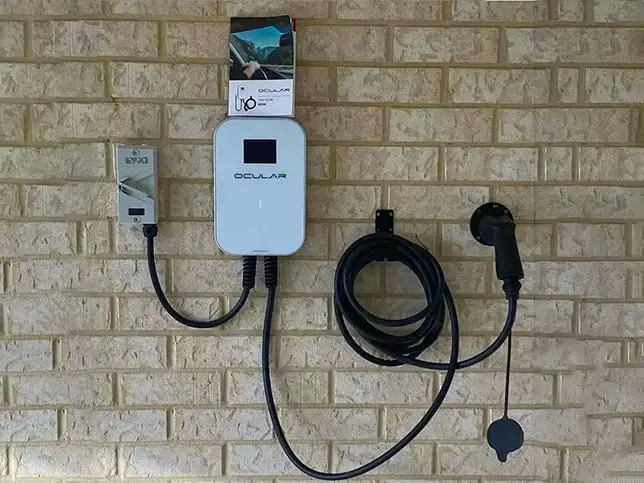
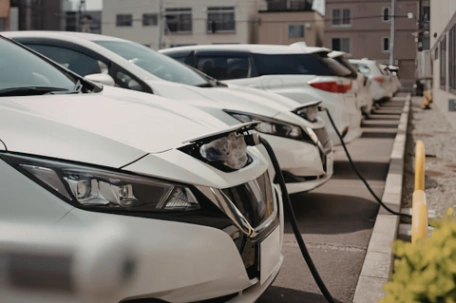
A smart assessment is all about the 'diversity factor'. We don't assume every car is going to pull 100% power at 9:00am while the elevators are peaking. Instead, we use smart load management systems to balance the electrical load across the whole fleet. This lets you run 10 or 20 commercial EV chargers simultaneously by squeezing every last drop of power out of your existing supply.
The Risks of Skipping an Assessment
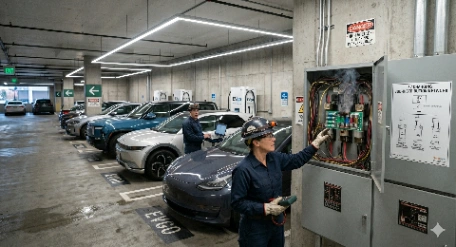
A lot of managers think they can skip the audit to save a few dollars. But without a data log of your energy usage patterns, you’re flying blind. Most older commercial buildings in Australia were designed with just enough 'headroom' for the aircon and the lifts, not a dozen 22kW EV charging stations!
If you don't know your Maximum Demand, you’re just counting down the days until a main fuse fails. That usually leads to costly upgrades that could’ve been dodged with better load control.
Static Load Management vs. Dynamic Load Management (DLM)
You have two choices: pay for a massive, six-figure infrastructure upgrade from the street or get smart with Dynamic Load Management (DLM).
🚷 The Old Way: Static Load Management
You cap the multiple chargers at a low speed. It’s safe, but the cars charge like a dripping tap.
🚀 The New Way: Dynamic Load Management
We set up a controller that 'talks' to the building in real-time. When the lifts aren't moving and energy consumption is low, all that extra power gets funnelled into the cars. When the building wakes up and the AC kicks in, the load management works automatically to dial back. It’s the only way to scale your EV fleet without breaking the bank.
When is a Substation Upgrade Necessary?
Sometimes, the maths just isn't there. If your building is already sitting at 95% capacity, no amount of 'smart' software is going to magically find room for a fleet of fast chargers.
An assessment will tell you early on if you need to talk to the network provider (like Energex) about a substation upgrade. Getting the maths right now saves your CAPEXbudget later. It’s about making sure commercial buildings stay competitive and meet the modern considerations of future EV owners.
Compliance & Insurance: The Risk of Skipping the Audit
In 2026, EV charging is heavily regulated.The Australian Building Codes Board has tightened the rules for any new EV setup, making a professional audit more than just a good idea; it’s a legal necessity.
📝 AS 3000 Compliance
You must use specific Type B RCD protection. Daisy-chaining chargers onto old circuits without a load assessment is a major code violation.
📝 NCC Mandates
Most commercial sites are now required to have 20% of bays ‘active’ and the rest EV-ready.
📝 The Insurance Loophole
Insurers now look for documented Load Assessments. If you can’t prove your building had the capacity for the new load, you give them a massive loophole to deny a fire or fault claim.
👉 The bottom line: A "cheap" install that skips the audit is a ticking time bomb for your switchboard and your insurance policy.
The Step-by-Step Assessment Process
A proper audit isn't just a quick visual check; it’s a week-long look at how your building actually uses power.
1️⃣ Site Audit
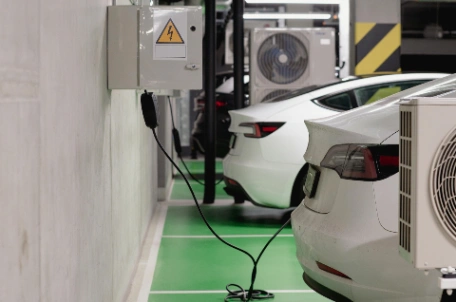
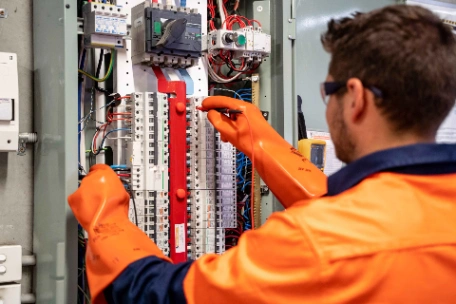
We get into the main switchboard to see if there’s actually physical room for more gear, check the thermal limits, and see what kind of shape your current hardware is in.
2️⃣ 7-Day Data Logging
This is the big one. We hook up a logger for a full week to find your "real-world" peak demand—not just a theoretical guess based on a drawing.
3️⃣ The Roadmap
We then calculate your Diversity Factor. This tells us exactly how many chargers can run at once without tripping the building's main breaker. You’ll get a report that maps out what you can install today and points to the 'tipping point' where you’ll eventually need to call the network for an upgrade.
💥The Result: You know your limits before you start spending, so there's no risk of a blackout down the track.
What to Look for in a Load Assessment
✅ The 7-Day Log
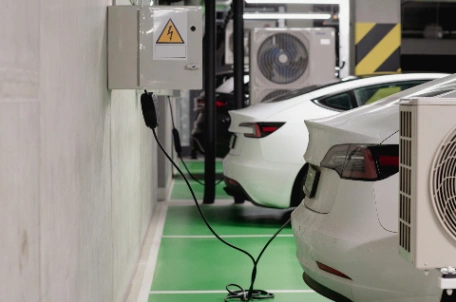
Don't let anyone give you a quote based on a 15-minute spot check. You need a data logger on your board for a full week to catch your true peak.
✅ The MSB Physical Check
It’s not just about electrical capacity—is there actually physical room on the chassis for more breakers?
✅ OCPP is Mandatory
If it doesn't support OCPP, it’s just a 'dumb' charger. You’ll be locked out of smart load management later, which effectively kills your ability to scale without replacing everything.
✅ The 10% Rule
Don't just plan for one or two bays. Look at what it takes to make at least 10% of your parking EV-ready, because that's where the demand is heading by 2029.
Stop Guessing, Start Logging!
Skip the guesswork and the insurance risks. Get a roadmap that shows exactly what your building can handle now and how to scale for later.
For more information or to book a Load Assessment, call our friendly EV Charger Installation team on 02 9100 0782 or complete our enquiry form today.

Resources:
NSW Government - Making Your Commercial Building EV Ready
SATEC - Why EV Charging Infrastructure Now Requires a Power Quality Audit
Energy.gov.au - Buildings - Owners & Tenants
AFMA - Understanding EV Charging in Buildings